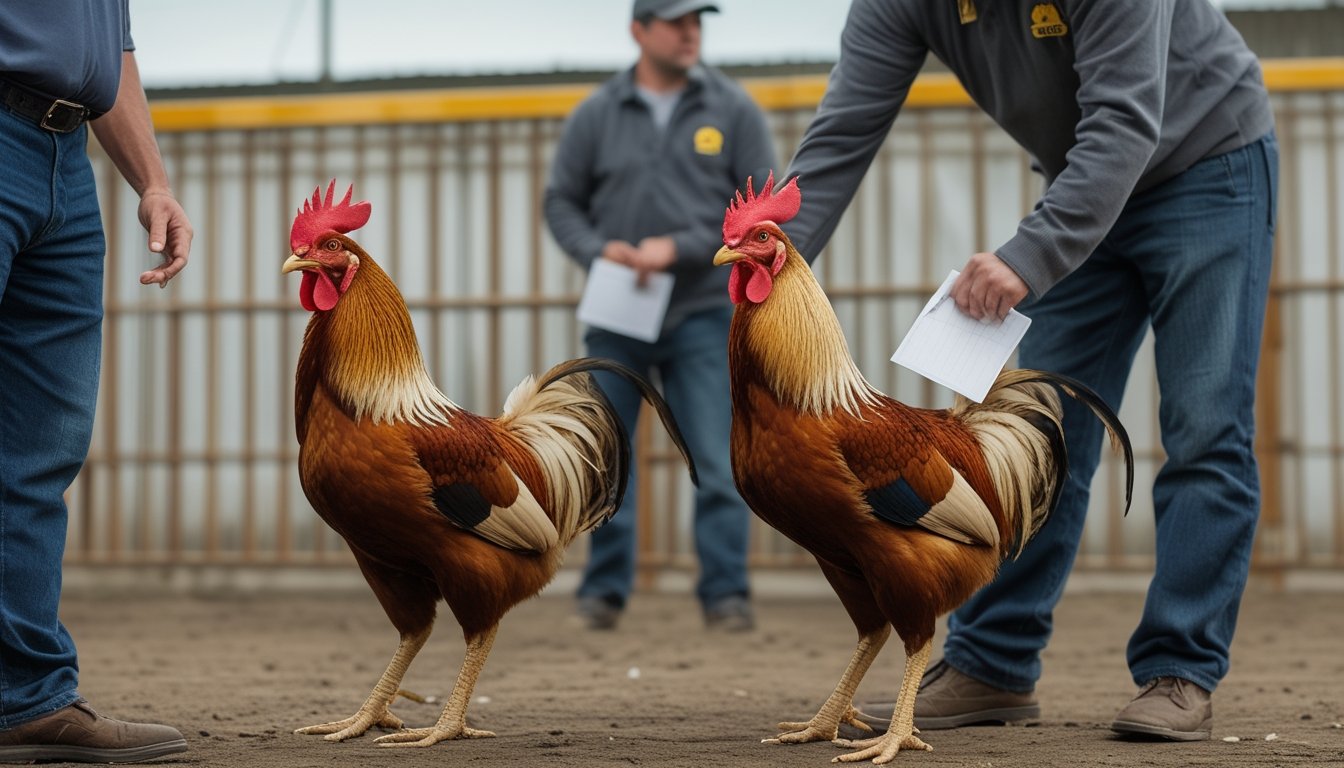
You can win consistently by combining reliable site selection, disciplined bankroll management, and reading each Bangkok rooster’s history and fighting style. Focus on trusted JP platforms, study past performance and odds, and place bets with a clear stake plan to turn skill and analysis into repeatable results.
This article walks you through what to look for when joining top JP sites, how to analyze roosters and matchups, practical betting strategies, and common mistakes that erode profits. Use the strategies and responsible-gaming tips here to make smarter choices and protect your bankroll while aiming for bigger wins.
Understanding Sabung Ayam Bangkok Online
You will learn what online Bangkok cockfighting means, how digital matches operate, and which platforms commonly offer the highest JP (jackpot) pools and reliable odds. The next subsections break these topics into clear, practical points you can use when choosing fights and placing bets.
What Is Sabung Ayam Bangkok Online
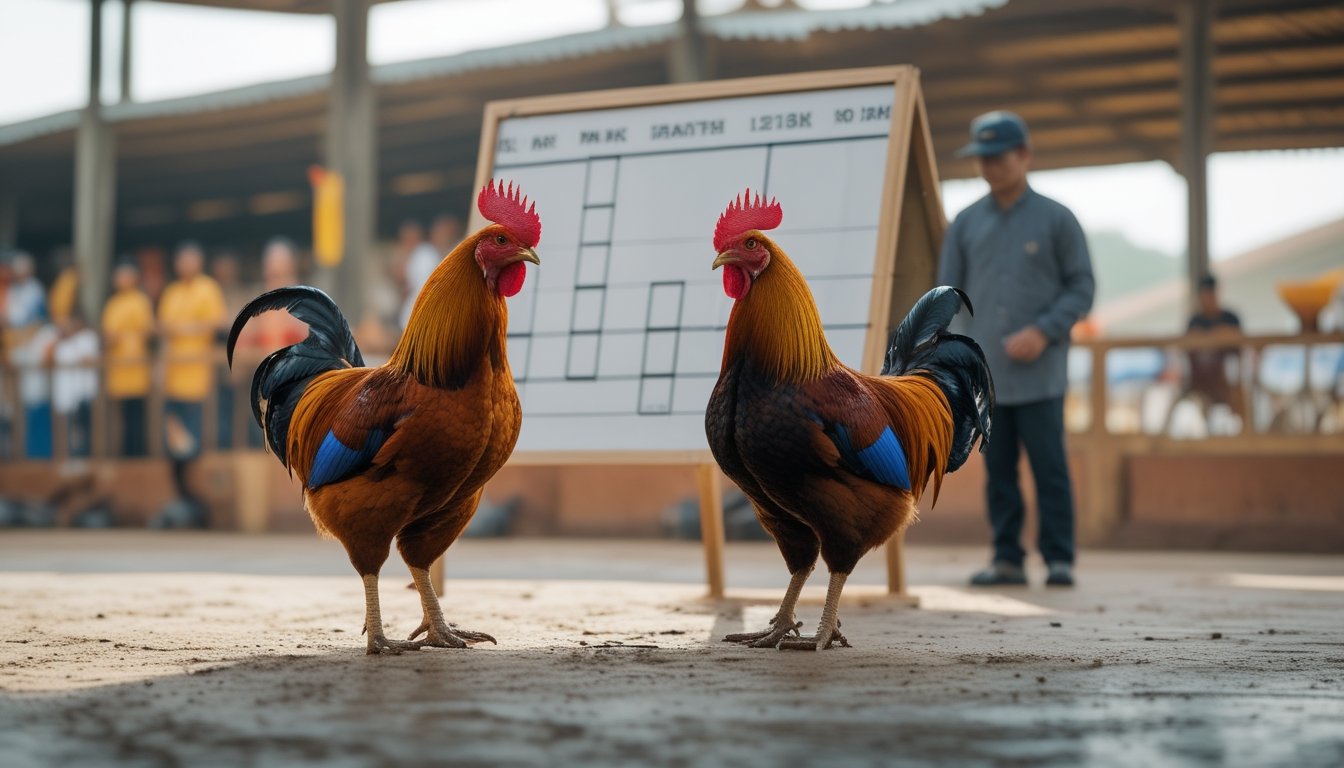
Sabung Ayam Bangkok online is a digital version of traditional Thai cockfighting that focuses on Bangkok-bred gamefowl known for stamina and striking technique. You place bets on individual birds or outcomes (win/lose, method of victory, round) rather than physically attending a ring.
The activity blends live video streams, match records, and odds. Breeding lines, fight history, and observable fighting style matter most when evaluating a bird. You should treat each match like a short-form sporting event: check the bird’s past results, trainer reputation, and weight class before staking money.
How Online Cockfighting Works
Matches stream live or as near-live video with an official referee calling results. Operators record pre-fight data: lineage, recent fights, trainer notes, and any handicaps. You interact through a betting interface that shows odds, time to place bets, and available bet types.
Payouts depend on odds at the moment you lock a wager and the platform’s house rules. Watch for delays, disputed outcomes, and platform dispute resolution procedures. Manage bankroll by setting maximum bets per match and tracking your win/loss patterns across trainers and birds.
Popular JP Terbaik Platforms
Several platforms focus on high JP (jackpot) pools and frequent match schedules. Look for these operational features when comparing sites:
- Live streaming quality and minimal latency.
- Transparent odds history and clear payout tables.
- Licensed operation or verifiable reputation among users.
Examples of features to prioritize:
- SV388-style interfaces that list bird stats and live odds.
- Platforms with multiple ring schedules (daily matches across time zones).
- Clear customer support and prompt dispute handling.
Use a checklist when evaluating a site:
- Video reliability and start-to-finish recording.
- Accessible fight history and trainer/bird profiles.
- Withdrawal speed and fee transparency.
Pick platforms that match your risk tolerance and offer the kinds of JP pools you want to target.
Getting Started: Joining JP Terbaik
You need a verified account on a reputable JP Terbaik platform, a clear way to fund and withdraw, and confidence the site enforces rules and fair odds. Follow concrete steps for registration, platform selection, and secure transactions.
Registration and Account Verification
Register with your full legal name, a valid email, and a phone number that accepts SMS codes. Sites often require a government ID (passport, ID card) and a selfie holding the ID; submit high‑quality, uncropped photos to avoid delays.
Expect identity checks that can take 24–72 hours. Provide matching details for name, birthdate, and bank account owner to prevent rejection during withdrawal. Keep a copy of confirmation emails and verification status screenshots in case you need to dispute delays.
Enable two‑factor authentication (2FA) if available. Set a strong, unique password and store it in a password manager. Note any bonus or wagering terms tied to verification so you don’t accidentally lock funds by missing a requirement.
Choosing a Trusted Online Platform
Prioritize platforms licensed in jurisdictions with gambling oversight (e.g., Malta, Curacao) and that publish their license number. Check independent review sites for consistent uptime, fair-play reports, and complaint resolution history.
Look for transparent odds display, clear rules for JP (jackpot) qualification, and published payout records or proof of third‑party audits. Avoid sites that hide betting limits, change odds without notice, or require unusual payment routes.
Confirm customer support channels: live chat, email, and phone. Test response times with a simple question before funding. Read the terms of service for dispute arbitration and withdrawal limits to avoid surprises when you win.
Safe Deposits and Withdrawals
Use mainstream payment methods that provide traceability: bank transfers, reputable e‑wallets, and cards. Prefer services that support instant deposits and allow withdrawals back to the same source to meet AML rules.
Verify minimum and maximum deposit/withdrawal amounts, processing times, and fees listed on the platform. Note any rollover requirements tied to deposit bonuses; these can block or delay withdrawals until met.
Keep records of every transaction: screenshots of confirmations, transaction IDs, and timestamps. If a withdrawal is delayed beyond the stated window, escalate with support and reference transaction IDs and your verification documents to speed resolution.
Key Winning Strategies
You will focus on four practical areas that directly improve your edge: evaluating each fighter, choosing the right bet types, protecting your bankroll, and using live data to adjust bets. Apply specific checks and thresholds rather than vague instincts.
Analyzing Fighter Profiles
Break down each chicken’s profile into measurable attributes: age, weight class, recent fight record (last 5 matches), and injury history. Give extra weight to consistent performers — prioritize birds with at least three wins in their last five fights and no reported leg or breathing issues.
Watch technical indicators: preferred attack range (close vs. long), typical fight duration (early KO vs. long stamina), and recovery between rounds. Use a simple checklist:
- Age: 2–4 years preferred
- Weight: within class limit ±5%
- Recent form: ≥3 wins/5
- Injury: none reported
Score each bird 0–10 on these factors and favor the higher totals when odds and bet types align.
Understanding Odds and Betting Types
Know the common bet types and when to use them: Match winner (straight), Round/Time bets (early KO vs. decision), and Parlay (multiple fights). Use match-winner for balanced contests; use time/round bets when a bird shows a strong early-KO pattern.
Interpret odds as implied probability: convert decimal odds to probability with 1/odds. Only back favorites if implied probability exceeds your confidence score from fighter analysis by at least 10 percentage points. For underdogs, limit stake size and target value bets where your assessed win chance > implied probability. Track payout vs. assessed risk on every bet.
Effective Bankroll Management
Set a fixed bankroll and risk a small, consistent percentage per bet — typically 1–3%. This prevents catastrophic loss from variance and preserves capital for value opportunities.
Use stake-sizing rules:
- Confidence score ≥8: 2.5–3% of bankroll
- Score 5–7: 1–2%
- Score <5: 0.5–1% or skip
Adjust after streaks only by re-evaluating your performance metrics, not by emotion. Keep a running log of bets, stake, odds, and outcomes to compute your real ROI and adjust percentages quarterly.
Using Live Statistics for Decisions
Monitor live metrics during the event: strike rate per minute, clinch success, visible fatigue, and responses to opponent attacks. These stats change faster than pre-fight profiles and can flip an edge in minutes.
Make two practical moves with live data:
- Hedge or cash out when live indicators drop your confidence by ≥20%.
- Increase stake slightly (within your cap) when live metrics raise confidence by ≥20% and value appears.
Use short time windows (first two rounds) for decisive shifts; avoid overreacting to single moments.
Advanced Tips for Maximizing Wins
Focus on measurable signals: past fight patterns, physical condition, and market behavior. Use them to form concise, testable rules you can apply consistently.
Predicting Outcomes Based on Match History
Collect at least 10 recent fights per bird when possible. Note opponent quality, round-by-round damage, and whether wins came by knockout, submission (if applicable), or decision. Create a simple table with columns: Date, Opponent Rank, Outcome, Round, Observable Injuries. That lets you spot repeatable patterns like early-KO specialists or birds that fade after round two.
Weight recent fights more heavily; prioritize performances within the last 6–12 months. Adjust for opponent strength: a win vs. a top-10 bird counts more than multiple wins vs. low-tier competition. Track recurring vulnerabilities (e.g., slow lateral movement, poor wing defense) and use those as negative indicators when matching birds.
Spotting Undervalued Fighters
Look for birds with sharp improvements not yet reflected in odds. Signs include a new trainer, recent changes in conditioning, or successful sparring reports. Scan platform forums and live streams for consistent praise from multiple independent sources.
Calculate a simple value metric: (Estimated True Win Probability ÷ Implied Probability from Odds). If that ratio exceeds 1.2, the bird is potentially undervalued. Also watch for market overreactions to a single poor performance; one bad outing after an injury often drops odds more than warranted. Bet sizing should reflect confidence—use smaller stakes while you validate the pattern.
Timing Bets for Maximum Value
Identify when liquidity and information spikes occur on your chosen platform. Odds often move after official weigh-ins, trainer announcements, or leaked sparring clips. Place initial small “probe” bets early to lock in favorable lines if you have high-confidence information.
Use a two-step staking plan: open with 25–40% of your intended stake when you detect value, then scale up only if odds move further in your favor or fresh confirming data appears. Avoid chasing lines after a large public-money swing; those are usually overpriced. Set clear entry rules—maximum acceptable implied probability, minimum value ratio, and a hard stop on emotional adjustments.
Common Mistakes to Avoid in Sabung Ayam Online
You must manage three critical areas to protect your bankroll and improve your edge: assess each bird’s physical and behavioral condition, follow the platform’s specific rules and payout structures, and control betting after losses. Missing any of these leads to predictable, avoidable mistakes.
Overlooking Fighter Condition
Never bet without checking recent fight history, visible injuries, and weight class. A rooster with torn wing feathers, swollen eyes, or fresh scabs will have reduced stamina and maneuverability. Confirm the bird’s last three match results and whether it fought twice in short succession.
Watch stance, comb color, breathing rate, and how quickly the bird recovers between rounds. These signs tell you about cardio and injury risk. If video quality is poor, request clearer footage or skip the fight.
Account for equipment and prep differences: shank type, added blades, or poultice treatments can change performance and legal status. If a fighter shows signs of tampering or prohibited gear, avoid betting and report it to the operator.
Ignoring Platform Rules
Platform rules determine how bets settle, when markets close, and which events qualify for JP (jackpot) payouts. Read the house rules for voided fights, redraws, and partial refunds before placing any wager. Small differences—like whether a ringout counts or what triggers a no-contest—directly affect expected value.
Check the payout table and vig for each market. A 5% house edge on one platform vs. 10% on another will change long-term profitability. Note withdrawal limits, verification steps, and dispute procedures so you can act quickly if a result looks irregular.
Also confirm time zones, match start windows, and bet acceptance delays. Late-accepted bets can be graded at different odds or voided; know the cutoff to avoid surprised losses.
Chasing Losses
Chasing losses typically starts with increasing stake size after a losing bet. Resist using martingale-style escalation or doubling-up when you lack edge on the matchup. Those approaches amplify variance and can wipe your balance in a few rounds.
Set a fixed session bankroll and a stop-loss threshold before you start. Use staking plans that cap single-bet exposure at a small percentage of your session bank—commonly 1–3%—to preserve capital through losing streaks.
When you lose, pause and review decisions. Ask which assumptions failed: misread condition, ignored rule, or overbetting. If emotions drive your next wager, step away until you can assess fights objectively.
Maintaining Responsible Gaming Habits
Keep strict financial and time boundaries, and learn the warning signs that indicate gambling is becoming harmful. Apply concrete limits and check behavior regularly to protect your money, time, and mental health.
Setting Betting Limits
Set a firm bankroll for each session and never transfer funds beyond that amount. Decide a maximum stake per bet (for example, 2–5% of your session bankroll) and stick to it so a single loss cannot wipe out your session. Use platform tools like deposit limits, cooling-off periods, and self-exclusion features to enforce those rules automatically.
Limit time as well as money: schedule session start and stop times, and use alarms to prevent overtime. Track every deposit, bet, win, and loss in a simple spreadsheet or app so you can review patterns weekly. If you hit your loss limit, stop immediately and switch to non-gambling activities.
Recognizing Signs of Problem Gambling
Watch for increasing bet sizes after losses, chasing losses, or borrowing money to play. These behaviors often indicate loss of control and a higher risk of harm. Notice if you prioritize playing over bills, work, or relationships; that’s a clear red flag.
Pay attention to emotional changes: irritability, anxiety, or preoccupation with the next bet. If you hide activity, lie about time or money spent, or feel unable to stop despite negative consequences, seek support. Contact a local helpline, set stronger account limits, or ask a trusted person to help manage finances or block access to gambling sites.